
A New Living Classroom Takes Shape at St Catherine’s School
Category: News, People
Introduction
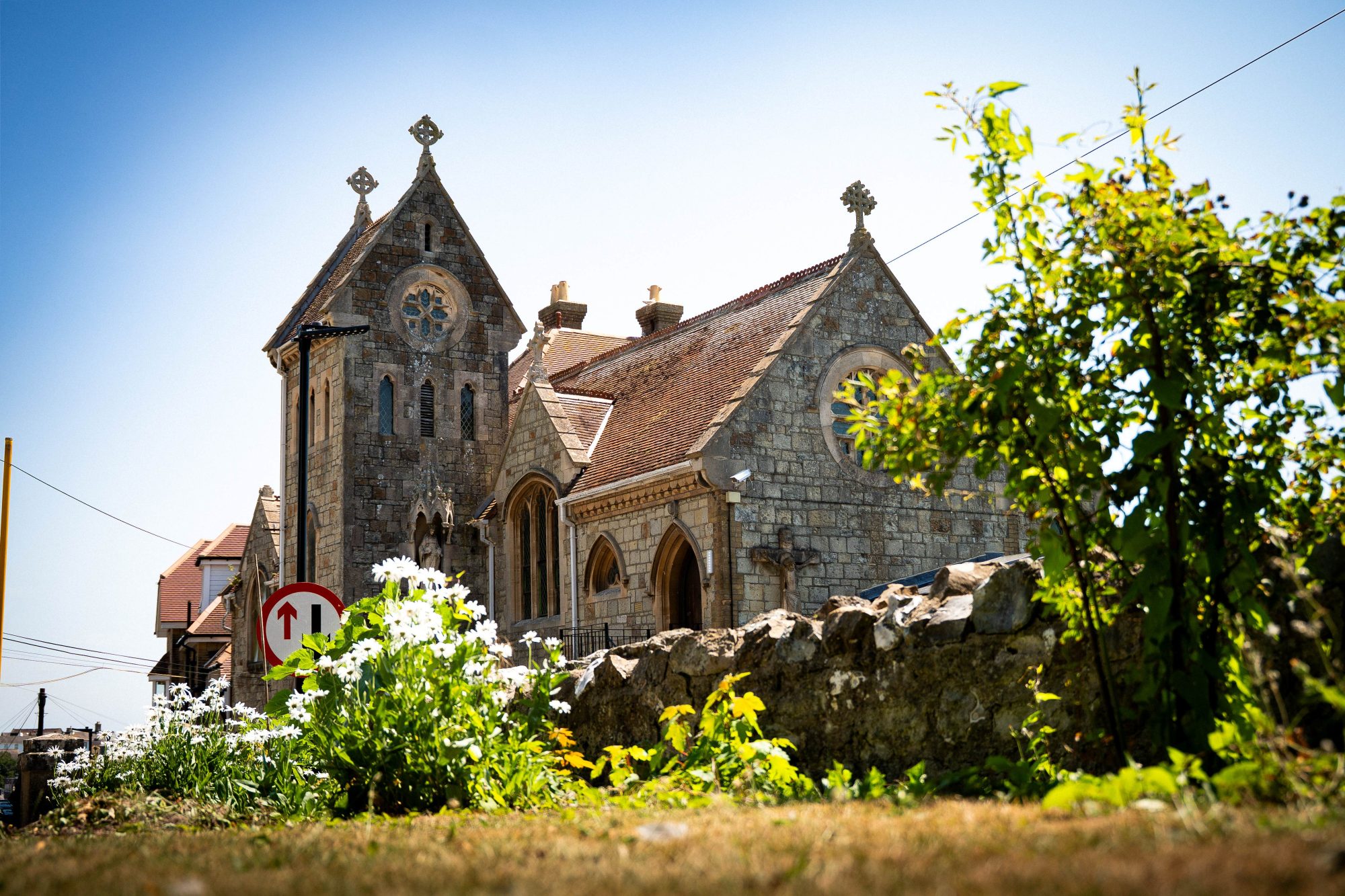
St Catherine’s is a specialist school supporting children with speech and language difficulties. For many pupils, learning works best when it is practical, visual and rooted in real experience.
A Parent’s Idea Becomes a Community Project
The idea began with Southern Water employee Martin Gray, whose daughter Imogen attends the school. After seeing how she had progressed and thrived since joining St Catherine’s, Martin asked where a volunteering project could make the greatest difference.
A wildlife pond was at the top of the school’s list.
Southern Water volunteers quickly came forward, while Cappagh Browne’s Isle of Wight team offered the people, plant and practical support needed to turn the idea into reality.
Two days of partnership in action
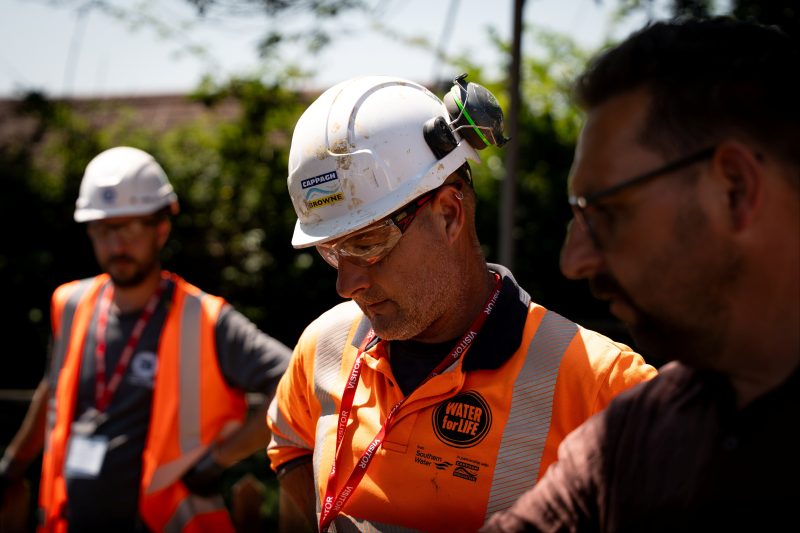
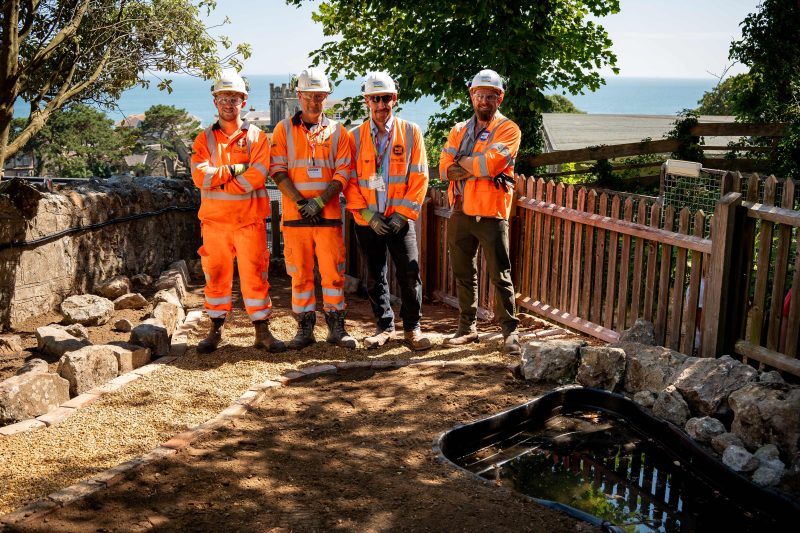
Over two days in July, volunteers from Cappagh Browne and Southern Water worked side by side at the school.
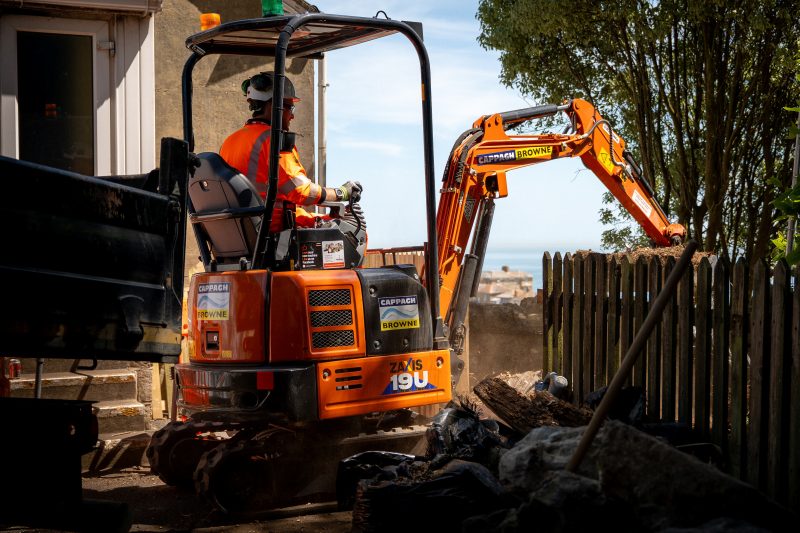
Cappagh Browne supplied the labour, plant and key materials, including building sand, stone and geotextile. The school and Southern Water also contributed items to support the build.
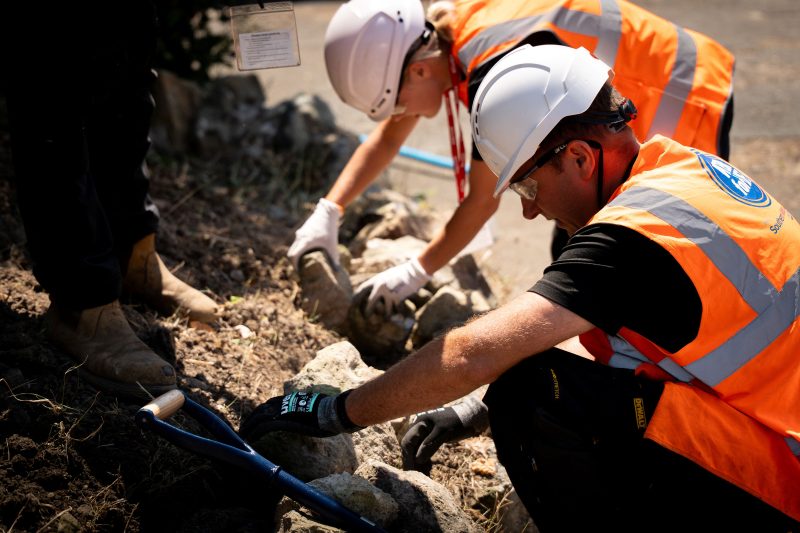
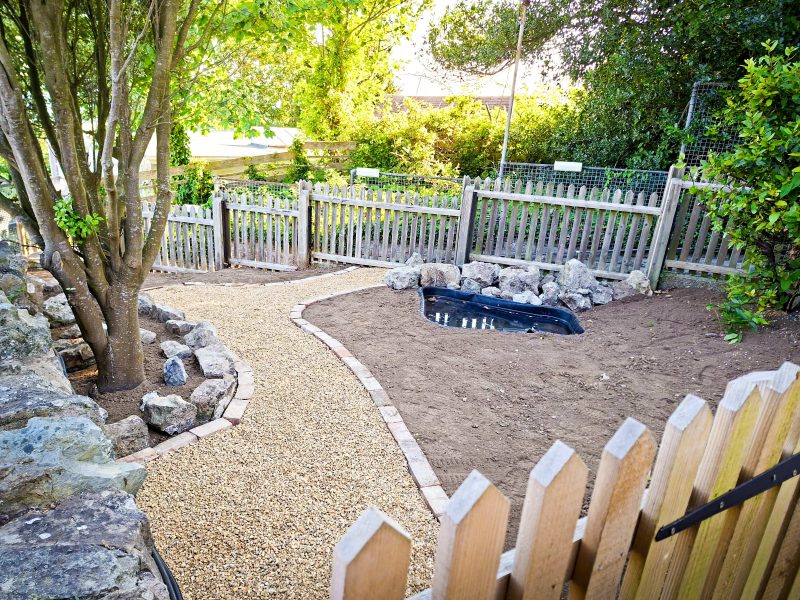
The first day focused on excavating, lining and installing the pond before bedding and backfilling it. On the second, volunteers laid geotextile and created a stone pathway around the new habitat, giving pupils a practical route from which to explore it.
Simon Butcher, Cappagh Browne’s Isle of Wight Civils Manager, said the team were immediately keen to take part. Many have young families themselves, while some have personal experience of supporting children with additional needs. That connection gave the project a clear purpose and helped create what Simon described as a “hand-in-hand partnership” with Southern Water.
The project created:
- A new pond habitat and pathway where pupils can explore plants, insects, amphibians and other wildlife.
- A hands-on outdoor resource for observing natural change over time.
- A quieter nature space that can support sensory regulation and wellbeing.
- New opportunities to explore biodiversity, environmental change and the world of work.
Learning that will grow with the pond
The value of the project will continue developing long after the volunteers have left.
As the pond establishes naturally, different plant species, insects and amphibians are expected to move into the habitat. This will improve local biodiversity while giving pupils the chance to watch an ecosystem develop.
Tristen Parker explained that this natural succession will make the pond “a really good educational tool and resource” for pupils to share and enjoy.
For Sarah Thompson, Principal at St Catherine’s, the new space gives students opportunities the school could not easily provide through classroom learning alone.
“Having this space means we can do it in real life, without having to pretend and show them a video,” she said.
Pupils will be able to see wildlife and environmental change first-hand, learn outdoors and use the quieter setting when they need time to regulate.
The build itself also brought an unexpected benefit. Watching the volunteers, equipment and teamwork on site gave pupils a practical insight into the world of work and created excitement across the school before the pond was even complete.
A lasting benefit for St Catherine’s
With funding stretched, St Catherine’s relies on support from its wider community to deliver projects of this kind. Sarah described the contribution from Cappagh Browne and Southern Water as “invaluable”, giving the school an outdoor resource it would not otherwise have been able to create.
For Cappagh Browne, the project brought familiar strengths into a different setting: practical delivery, close partnership and a team ready to give its time and skills where they could have a direct local impact.
By the time the volunteers left, the school had a new space ready to be discovered by pupils the following week. As the habitat matures, it will continue to offer new experiences for current and future students, turning two days of volunteering into a resource that can support learning, wellbeing and a connection with nature for years to come.
Category: News, People